CONTENTS
RESEARCHING, MAKING AND COMPLETING LAWS
1. NGUYEN MINH TUAN & TRAN SY DAT - Discussing legal responsibilities in remote medical examination and treatment and digital health in Vietnam
The context of digital transformation in the healthcare sector requires a clear definition of responsibilities between doctors, healthcare facilities, platform providers and software developers. To do this, the article analyzes and clarifies the types of legal responsibilities arising in the process of remote medical examination and treatment and the application of digital technology, and the notable legal gaps, especially in technical standards, transparency obligations and patient protection mechanisms. On that basis, the article proposes directions for building a suitable legal framework to control risks while still promoting innovation in the healthcare sector in Vietnam.
2. NGUYEN THI HIEN THUONG - Some problems, shortcomings and recommendations for improving intellectual property laws to promote private economic development
In the knowledge economy, intellectual property is a key factor contributing significantly to improving competitiveness and private sector development. This article examines some shortcomings of intellectual property law, thereby proposing recommendations to improve the legal framework and enforcement mechanism of intellectual property rights, and at the same time, providing solutions to support enterprises in effectively exploiting the economic value of intellectual property, contributing to promoting innovation and improving competitiveness.
3. NGUYEN TRONG LUAN - Copyright protection in the digital age - Challenges and solutions
The digital age has created many opportunities to access works more and more easily with many different methods. However, the digital age also poses many challenges in copyright protection such as the emergence of new types of works, the birth of works created by artificial intelligence (AI), the rapid increase of infringement with the effective support of the internet and new technologies... The article analyzes the challenges of copyright protection in the digital age, and at the same time proposes some solutions for Vietnam on this issue.
EXCHANGE AND ORGANZATION OF LAW IMPLEMENTATION
4. CHU MINH HIEU - Vietnamese law on commercial advertising in the Digital Age
In the context of strong development of online platforms, commercial advertising activities in Vietnam are increasingly diverse in form and impact objects, but also pose many challenges for state management. Research shows that current laws still have many gaps in regulating advertising behavior in the digital environment, affecting consumer rights. Based on research and legal experience from a number of countries in the world, this article clarifies the current status of Vietnamese law on commercial advertising in the digital age, points out limitations, and thereby recommends amending and supplementing legal regulations on advertising, strengthening the monitoring mechanism and coordination between management agencies, towards building a healthy digital advertising environment.
INTERNATIONAL LAW
5. NGUYEN HOANG TRUNG & DOAN THANH TIEN - Risks in applying artificial intelligence to law-making - International experience and recommendations for Vietnam
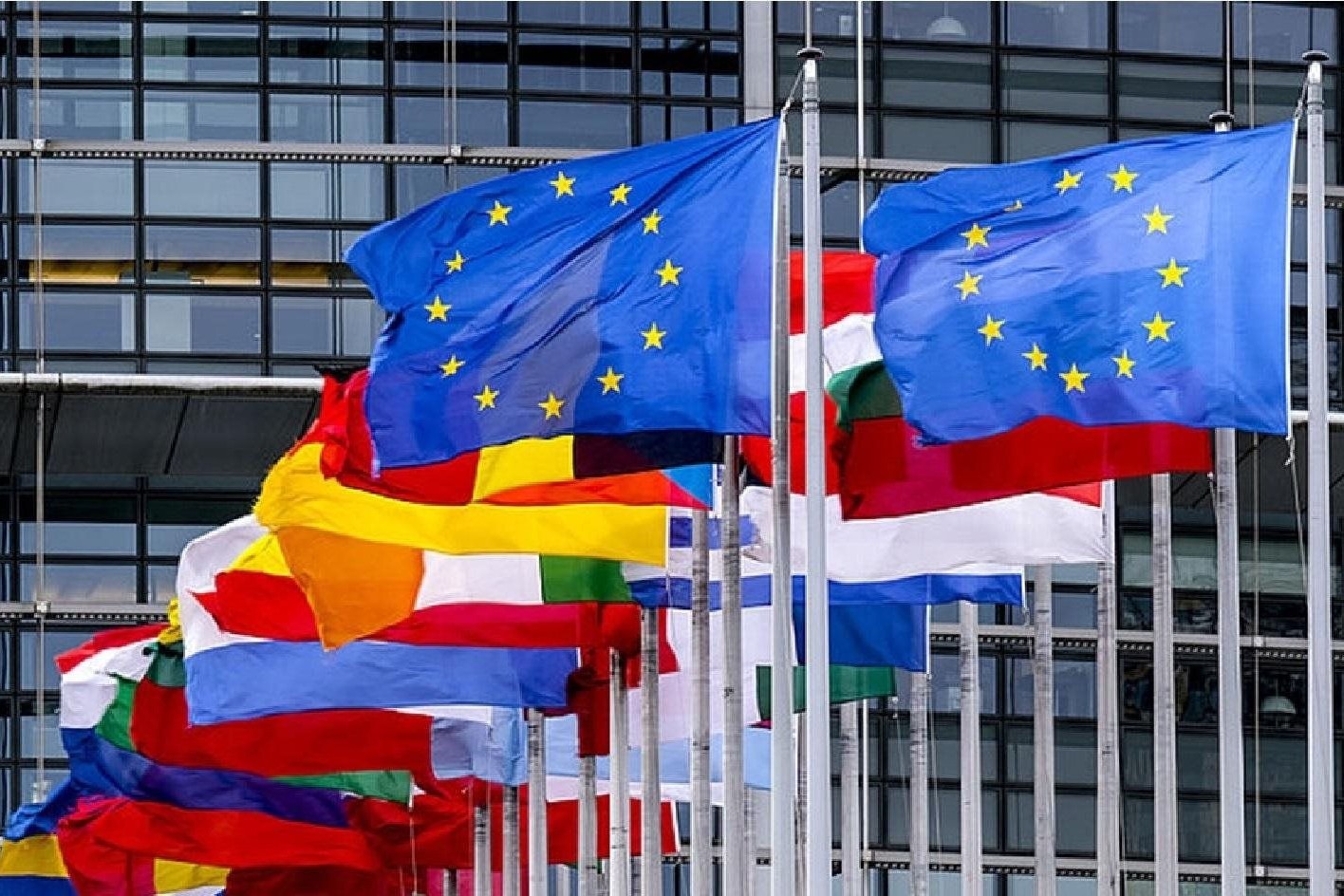
The application of artificial intelligence brings great benefits and has become an inevitable trend in many countries, industries and fields, including law-making. However, in addition to the positive aspects, the application of artificial intelligence also has many potential risks. This article analyzes the risks and legal consequences that may arise when applying artificial intelligence in law-making. Based on clarifying the relationship between risk management and legal responsibility, referring to the experience of the European Union and Korea, the article proposes a number of solutions for Vietnam to establish a mechanism for controlling and preventing risks and establishing a clear mechanism of responsibility between subjects when applying artificial intelligence in law-making to ensure safety, transparency and responsibility.
6. XA KIEU OANH & NGUYEN PHAM THANH HOA - Sandbox model to promote technological innovation within the legal framework of intellectual property - International experience and recommendations for Vietnam
In the context of the Fourth Industrial Revolution, the sandbox mechanism is increasingly considered an important policy tool to promote innovation and technology development. However, the application of sandbox in Vietnam poses many legal challenges, especially in the field of intellectual property protection for inventions, trade secrets and intellectual properties arising during the testing phase. This article researches, analyzes, synthesizes and compares legal studies to: (i) clarify the concept and characteristics of the sandbox model; (ii) assess the current state of Vietnamese law related to this mechanism in relation to intellectual property law; (iii) compare with legislative experience and implementation practices in the United Kingdom, Singapore, Kenya and South Korea. The research results show that although sandboxes offer many opportunities for innovation, Vietnamese law currently lacks specific regulations to fully protect intellectual property rights in the testing environment. This poses a risk of disputes and conflicts of interest among participating entities. On that basis, the research proposes to build a synchronous legal framework for sandboxes, ensuring a balance between encouraging innovation and protecting the legitimate rights of stakeholders, thereby creating a solid legal foundation for sustainable technology development in Vietnam.
7. NGUYEN THANH TUNG - Adjusting the law on artificial intelligence - International experience and implications for Vietnam from the emergence of ChatGPT
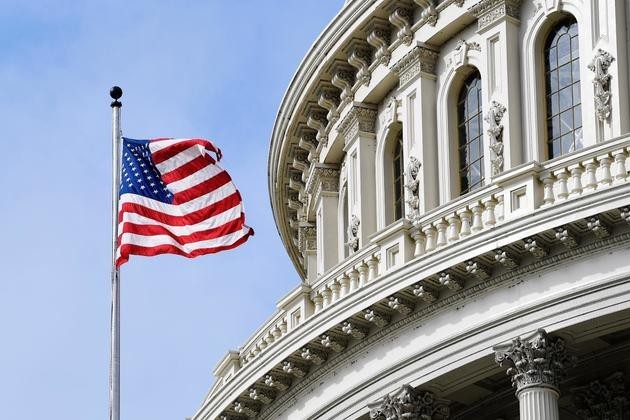
The emergence of ChatGPT as a technological phenomenon is closely linked to the development of the data economy and the private economy. This article studies, evaluates and forecasts the risks that ChatGPT may pose to Vietnam, especially in relation to data management, cybersecurity, digital human resource development and technology infrastructure operations. At the same time, the article refers to the legal and administrative experience of ChatGPT in some countries such as the Federal Republic of Germany and the United States, thereby making policy recommendations to build a suitable management framework for Vietnam, both promoting innovation and ensuring safety and sustainable development.
(Ảnh: Internet)